
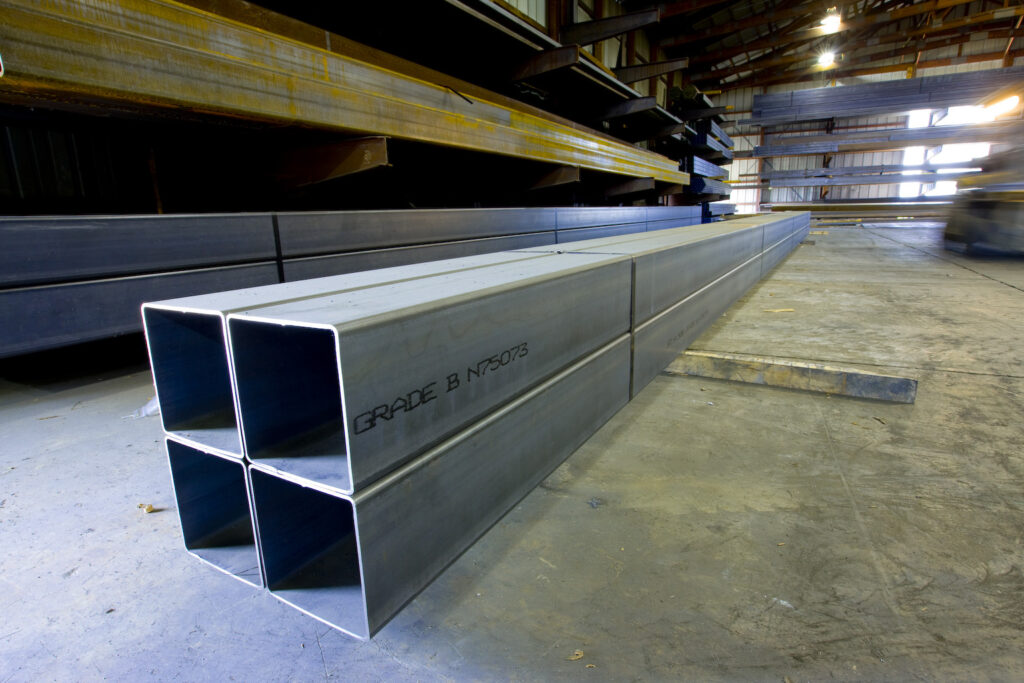
Early in my career, a client’s hydraulic system failed because their metal tubing specifications listed wall thickness as “nominal” instead of “minimum.” That two-word difference cost them $87,000 in leaks and downtime. Since then, I’ve made it my mission to expose the blind spots in tubing data sheets. At GP Steel Supply, we flag these red flags upfront—because in piping, the devil’s in the details.
Let’s talk about seamless vs. welded tubing. Seamless tubes handle pressure better, but welded options are often more consistent in diameter—critical for tight-fitting applications like heat exchangers. I’ve seen engineers specify seamless for precision systems, only to struggle with ovality issues. Our platform includes micrometer-verified tolerance ranges for both types, so you’re not surprised by “within spec” variations that still derail your design.
Corrosion is another silent killer. A refinery once ordered 316 stainless steel tubing, assuming it’d handle their chloride exposure. But their alloy steel characteristics sheet didn’t account for crevice corrosion in welded joints. Now, we pair every tubing grade with environmental compatibility charts—showing how it performs in everything from seawater to sulfuric acid. Pro tip: If you’re working with acids, duplex stainless steels often outlast 316 at half the cost.
The biggest mistake I see? Ignoring the supply chain. You might specify the perfect industrial metal grade, but if your supplier can’t source it in your timeline, it’s useless. That’s why we track regional availability and lead times for tubing—down to the mill. Before finalizing a spec, check our “Supply Risk” indicator. It’s saved clients from last-minute scrambles more times than I can count.